
TFS White Paper
Meeting the Needs of People Globally
Introducing
Trackless Flush Sheets (TFS)
Patent – D838-843
A solution to the damage that results from paper products being flushed down the commode. With regular use TFS addresses a growing concern with conserving water around the globe

Table of Contents
- Introduction
- Overview of the Market Size
- An Overview of Legal Cases Against Flushable Paper Products
- Product Description
- Product Distribution & Use of Blockchain
- Practical Applications of TFS
- Conclusion
- Sources
I. Introduction
The modern toilet is an integral part of every home, office, and recreational vehicle. It was invented approximately 250 years ago and has seen very few functional changes during this period. This is mostly because the system itself is efficient and serves its purpose pretty well. However, there are still multiple problems that persist regarding the use of this bathroom fixture. For instance, flushed paper products are a leading cause of clogged sewage lines. This can be expensive to fix. Other problems include bad toilet odor due to excrement residue after use, causing multiple flushes. In the case of RVs, the need for multiple flushes can lead to high water usage. Constant tank dumping trips can be costly, as well.
Another core issue is that there is no efficient way to clean a toilet. The cleaning methods that are currently employed making use of chemicals that are harmful to the environment. A hand-held toilet brush, while effective in cleaning a toilet, can also unwittingly act as a germ carrier and result in the spreading of disease.

So what can we do? Should we attempt to design a new version of the toilet that addresses these problems? Not necessarily. Even if we were successful in this endeavor, introducing this solution in every home, office, and the recreational vehicle is a lengthy and costly process that would be difficult to implement.
That’s where Trackless Flush Sheets (TFS) come in. Based on a simple idea, Trackless Flush Sheets work well with toilets and commodes to save water. They also reduce the need for costly toxic cleaning chemicals and are capable of breaking down waste and paper products.
TFS gets to the root of the problem and provides a working solution that is inexpensive and easy to use. Trackless Flush Sheets are 10” specially designed dissolvable paper sheets. They possess enzymes that can be flushed down the toilet or commode to break down waste and paper products. The unique, natural, and environmentally-friendly enzymes that is incorporated into each flush sheet works to break down paper products & waste at a molecular level.
TFS is also made from a special type of dissolvable paper stock that dissolves within 20 minutes after it is placed inside the water bowl of a toilet or commode.
This white paper will review the applications of TFS. It will also provide a comprehensive overview of the product, describe the market size and distribution channels, and discuss the applications of the product for recreational, residential, and commercial customers.
II. Overview of the Market Size
Every human being excretes waste. Consequently, toilets and commodes are used for this purpose by every individual around the world. Given the basic nature of this function, we have a significant potential market for Trackless Flush Sheets.
For instance, if we consider the population of the United States, in 2019, the estimated population for the US was approximately 329 million. The average household in the United States is 2.6. Therefore, a conservative assumption of one toilet per household gives us 126,538,461 toilets.
This does not include toilets installed in public places. However, by law, every commercial outlet that serves food is required to have a public toilet or commode.
Additionally, we must also account for public places such as movie theaters, shopping malls, gas stations, government buildings and parks, skyscrapers, educational institutions, factories, gyms, theme parks, building sites, doctors’ offices, nursing homes, hospitals, daycare facilities, sporting venues, museums, TV studios, concert venues, zoos, and so on.
The inclusion of these facilities easily doubles our market size giving us over 300 million toilets. If we account for toilets in offices and workplaces, we can add 29 million toilets to our existing market size. This gives us more than 329 million toilets in the United States alone. An exact number is difficult to determine, but we can safely say that the number of toilets and commodes exceeds the current population size of the US.
The use of TFS is not limited to the United States, as well. Instead, it can be introduced on a global scale. Essentially, every human on the planet is part of the target audience for this product, which leaves us with endless room for growth and expansion.
III. An Overview of Legal Cases Against Flushable Paper Products
In 2018, the global market for personal wipes (feminine and baby wipes) was valued at 15.8 billion. Flushable wipes accounted for 43 percent of this market (6.8 billion). As the market for these products has continued to grow, so do the problems associated with the use of these products, as well.
The use of flushable wipes is particularly problematic here. These wipes do not disintegrate in water as advertised. On the contrary, they are unlikely to dissolve or disintegrate in the water at all. This is largely due to the materials used to create these products. In order for these wipes to do their job, they need to possess a certain amount of sturdiness. If they don’t, they would come apart when put to use, which would make them ineffective. To avoid this, these so-called “flushable products” are composed of plastic, cotton, and wood fiber. Consequently, they will not dissolve after being flushed down the toilet. In 2013, Consumer Reports tested the dissolvability of these products. They tested four different types of flushable wipes. It was discovered that the wipes needed to be stirred in a mixer for 10 minutes to break apart. Simply flushing these products was ineffective.

Multiple lawsuits have been filed in the past few years to address this problem. Companies such as Charmin and Walmart have been subjected to Class Action lawsuits seeking monetary compensation for the damages resulting from flushed paper products. The individuals that have participated in these lawsuits have reported thousands of dollars in damages due to clogged sewage lines and damaged pipes as a result of these “flushable wipes”.
Additionally, States and cities have also sued companies that manufacture flushable wipes for the damage these products have caused to public property and sewage lines. Wyoming, Minnesota, was the first State to do so. In 2015, these states filed multiple lawsuits against Proctor & Gamble, Kimberly-Clark, Nice-Pak, and 3 other companies for falsely promoting their wipes as flushable. These issues are not limited to the United States. In 2015, government authorities in London had to pay £400,000 for the removal of a 10-ton build-up of flushed products from their sewage system. Given the situation, it is safe to say that damage resulting from flushed paper products has grown steadily over the past 20 years. An immediate solution is needed to avoid the financial losses that result from the use of these products.
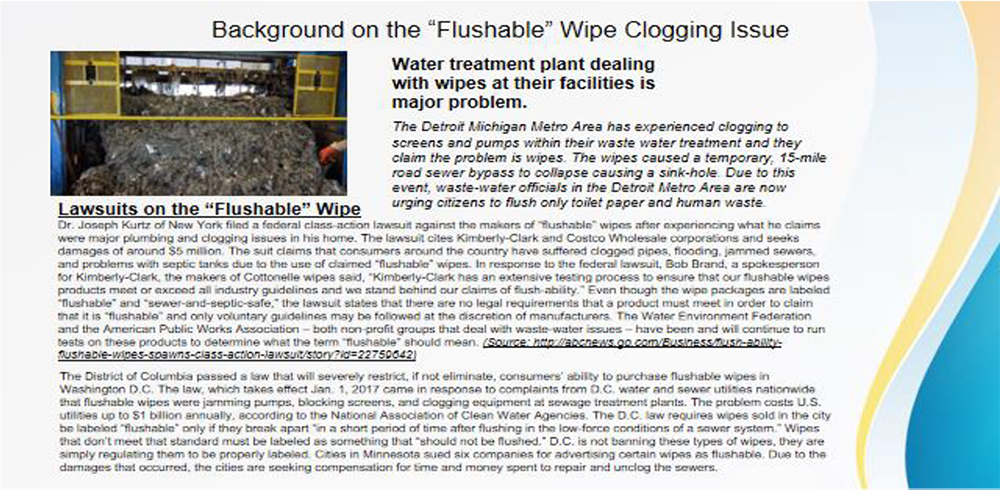
The continued use of these products poses a dangerous precedent for the sewage system of your city and country and can render them wholly ineffective. Continuing to pay for repair costs is impractical, as well. Not only is it a short-term solution, but there are plenty of other ways that you could use this money to improve living conditions and overall quality of life, as well.
Advance research is underway to combat, not only wipes, but plastic bottles and other related materials are known as, polyethylene terephthalate (PET). Kyoto University in Japan discovered a natural bacterial enzyme (Ideonella sakaiensis) that will breakdown PET. Two recently discovered bacterial enzymes that specifically degrade PET represent a promising solution. First, Ideonella sakaiensis PETase, a structurally well-characterized consensus α/β-hydrolase fold enzyme, converts PET to mono-(2-hydroxyethyl) terephthalate (MHET). MHETase, the second key enzyme, hydrolyzes MHET to the PET educts terephthalate and ethylene glycol. (see how this work below)
Structure of the plastic-degrading Ideonella sakaiensis MHETase bound to a substrate

The structure of I. sakaiensis MHETase displays a bipartite domain architecture. a I. sakaiensis PETase and MHETase degrade PET to terephthalic acid and ethylene glycol. Side products are not shown. b MHETase structure with the α/β-hydrolase domain (MHETaseHyd) colored in salmon and the lid domain (MHETaselid) in light blue. Disulfide bonds are shown as sticks. c Close-up view of the MHETase catalytic triad, oxyanion hole, and the water molecules in the substrate-binding site. d A. oryzae FaeB (PDB-ID: 3WMT24), α/β-hydrolase domain (AoFaeBHyd) in crimson red, lid domain (AoFaeBLid) in cyan. e Close-up view of the AoFaeB catalytic triad, oxyanion hole, and the water molecules in the substrate-binding site. Dashed lines indicate hydrogen bonds, rotation angles relate to the overview. Interacting residues are shown as sticks and colored by atom type. Carbon—as given for the respective clue; nitrogen—blue; oxygen—red; sulfur—yellow. Water oxygens are shown as green spheres. Calcium is shown as a purple sphere
The Cost of Flushing a Toilet
Besides the problems associated with flushable wipes, we need to consider the excessive waste of water as well. Toilets are responsible for the highest amount of indoor water consumption. As per EPA, approximately 30 percent of a household’s water consumption is attributed to toilets.
Modern toilets use approximately 1.6 gallons of water per flush. Toilets with an inbuilt water sense mechanism can help reduce water consumption by 20 to 60 percent. This can help you save $110 every year.
These numbers are limited to household water consumption. We can expect water consumption to be significantly higher for commercial facilities.
In the case of an average toilet (with a flush capacity of 1.6 gallons), a single flush will cost you 1.3 cents. The cost increases exponentially if you flush multiple times after each use. If a person flashes 5 times a day, then this will have an annual cost of $24. In the case of households (with an average household size of 2.6), the annual cost can be $61.70.
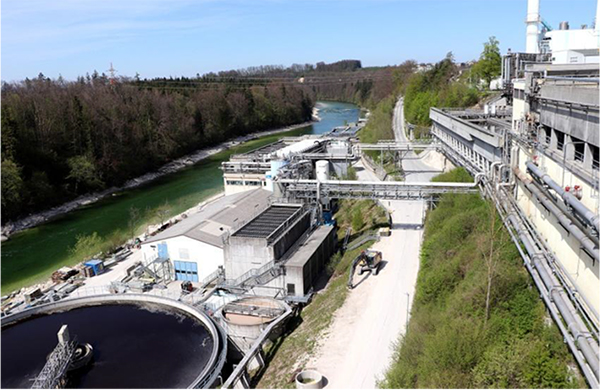
We must also remember that water is a finite resource. Water reservoirs are depleting around the world. Even if you can afford to pay a high water bill, this will not magically fill up water reservoirs. Instead, we need an active solution that automatically contributes to reducing water consumption and helps minimize waste.
IV. Product Description
Trackless Flush Sheets are manufactured using a specially designed paper product that dissolves within 20 minutes of being placed in the water bowl of a toilet. The flush sheets are 10-inches in diameter with environmentally safe bacteria-eating enzymes applied to each sheet. The sheets are designed to encompass & coat human waste and paper products that are being flushed down the toilet. They work by breaking down the flushed materials.
The use of our flush sheets also eliminates the need for applying cleaning chemicals to toilets. This is because it breaks down the waste organically. The presence of a natural and environmentally-friendly, enzyme on each sheet causes a chemical reaction. This causes the flushed paper and other waste materials to break down at a molecular level.
Each Flush Sheet is color-coded based on its intended use (commercial, residential, recreational). Extensive research has also revealed that the flush sheet requires a unique dimension of 10 inches to function properly. These specific dimensions ensure even dispersion of the active enzymes. Additionally, each flush sheet also has a special pleated ridge design, which expands in the water to completely cover waste and paper products. Before flushing, the enzymes are released to initiate the disintegration of these materials.
Every Trackless Flush Sheet contains a specific amount of enzymes that are capable of breaking down most cellulose-based paper products. Chemical engineers have programmed these enzymes to break down most types of waste materials. Additionally, added products have supplemented with a special scent. They prevent the buildup of hard water in toilets. As a result, the use of the TFS leaves toilets and commodes clean and dispels any bad odors. There are no limits to the type of facilities that Trackless Flush Sheets can be used in. They can be used in homes, offices, and recreational vehicles such as RVs, boats, and airplanes.
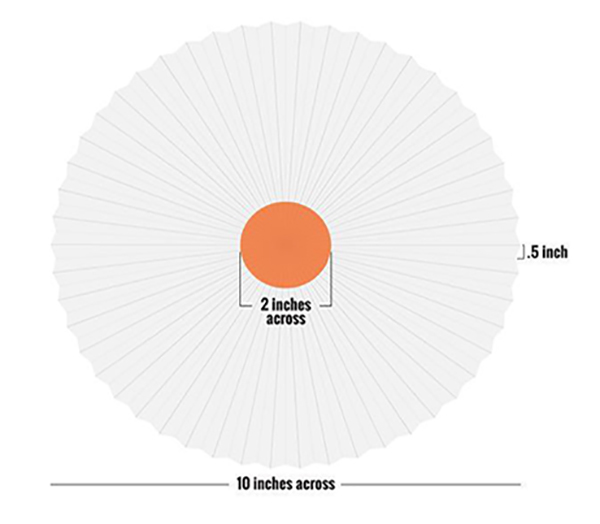

How TFS Works:
Trackless Flush Sheets, when placed in the toilet or commode, sinks to the bottom of the bowl creating a barrier between the sides of the bowl and the future waste that ends up in the toilet. This can include feces, and all types of toilet paper.
When you flush the toilet or commode, the flush sheet folds around the waste during the flushing process. Once the flush sheet is able to encompass the waste, the components in the flush sheets (such as enzymes), start the breakdown process. The coating action of each flush sheet ensures maximum efficiency and enables them to break down as they are flushed into the sewer lines, septic tanks, and holding tanks.
TFS is the perfect vehicle for delivering the right amount of enzymes in the toilet and sewer line with each flush. If used regularly, they can aid the entire sewer system to function properly, reducing the need for expensive plumbing and septic tank repair costs.
TFS reduces the amount of water used when flushing, it eliminates the need for multiple flushes. As mentioned earlier, it also helps avoid the use of expensive cleaning chemicals that ultimately harm the environment.
The combination of our flush sheets and specially designed enzymes working together play a critical role in saving water, as well as the environment. Whether you are a homeowner, businessman, or a recreational vehicle enthusiast, this product can help every individual do their part for the environment while saving time and money.
Types of TFS
To ensure the effectiveness of our product, we have created three different types of Trackless Flush Sheets. They are color-coded and vary according to their use. Depending on your requirements, you can choose one of the following types of Trackless Flush Sheets:
1. Efficient TFS
- Color: White
- Enzyme Patch: Absent
Efficient Flush Sheets have been designed for basic use. They do not have any enzymes for the treatment of waste materials. Consequently, you can employ these flush sheets for general use that does not involve the treatment of a holding tank or sewer line. The target audience for these flush sheets includes real estate agents, home inspectors, repair service personnel, and other types of temporary workers that use the bathroom facilities while in a home. As the name suggests, these flush sheets promote more efficient use of our products by minimizing the use of enzymes.
2. Residential/Recreational TFS
- Color: Blue
- Enzyme Patch: Present
Our Residential Trackless Flush Sheets are more advanced. They incorporate enzymes that are applied to the center of every sheet. As mentioned earlier, these enzymes work to break down human waste and paper products at a molecular level. These flush sheets can be used in every household, apartment, dorm room, office buildings, and public restrooms.
3. Commercial TFS
- Color: Orange
- Enzyme Patch: Present
Our Commercial Trackless Flush Sheets are similar to our Residential Flush Sheets. They function in the same manner as a residential flush sheet. However, the target audience for these flush sheets is different. These sheets have been designed for commercial purposes. They can be used in all commercial facilities. These include restaurants, hospitals, nursing homes, law offices, retirement facilities, government offices (including all branches of the military), schools, universities, trade and private vocational training facilities, and septic tanks
V. Product Distribution & Use of Blockchain
Given the global potential use for TFS, we will be establishing distribution channels that enable the global distribution of our product. Blockchain technology will play a critical role in this regard. We will use this technology to create an efficient and transparent online ordering system. The use of blockchain for online ordering and payment processing has several advantages. These include:
- It can be used to process transactions in any currency. This is necessary for introducing our product in international markets.
- It helps avoid the various complexities and costs involved in processing foreign transactions and dealing with foreign exchanges. Traditional foreign exchanges are also prone to delays and may charge several hidden costs that affect the customer.

We will make use of the Stellar Blockchain. Invented by Jed McCaleb and Joyce Kim, this technology enables users to initiate cross-border transactions in a fast, reliable, and inexpensive manner. Stellar Blockchain can be used to transfer any currency in the form of Lumens (their native Stellar tokens, much like Bitcoin). Once the money has been successfully transferred, the Lumens can be converted into the recipient’s local currency. To ensure the cost-effectiveness of this process, Stellar uses the best foreign exchange rate available for currency conversion.
Stellar Blockchain can help us build a robust online ordering and payment system because:
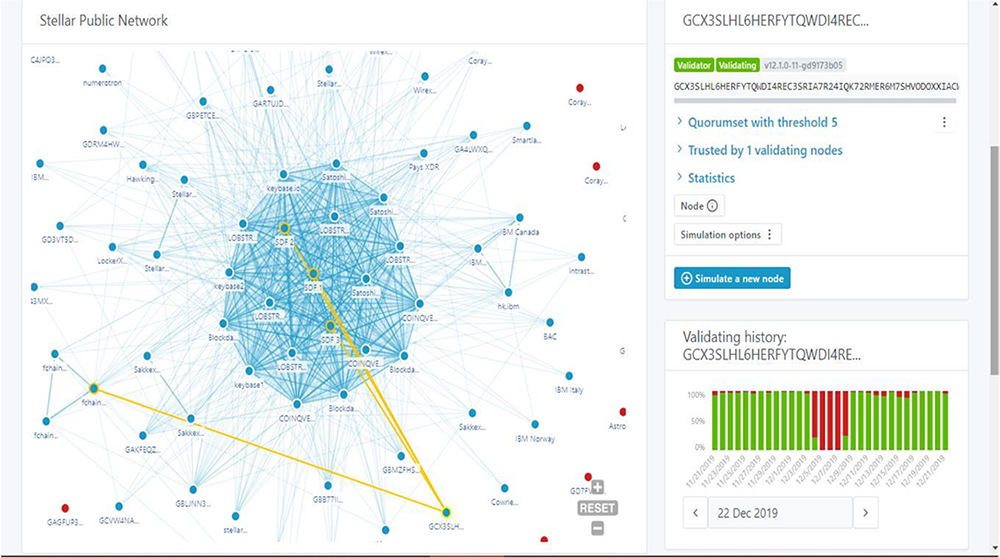
Inside the TFS Online Ordering and Shipping Process
The use of Blockchain for online ordering and payment often sparks doubt and uncertainty among users. This is largely due to a lack of awareness of Blockchain applications. When you hear the word ‘Blockchain’, you automatically assume it to be a highly complex entity that should be avoided. In reality, using this technology for ordering TFS is simpler than you think.
Provided below is a breakdown of the TFS online order and shipping process:
Step 1: Placing an Order Online
- Registered on the TFS website
- Read and agree to the terms and conditions provided
- Place your online order
- Complete the order form with billing and shipping information
- Select the payment option, Strips, PayPal, or Cryptocurrency, choose
Stellar Lumens (XLM), Bitcoin (BTC), Ripple (XRP), Litecoin (LTC), or Ether (ETH) - An order notification is delivered to the designated manufacturing facility for production.
- The order is produced and inspected for quality assurance. If a defect is detected, corrective actions are initiated to address the problem immediately.
- Post a successful inspection process, the order is cleared for shipping.
- The order is packaged, sorted according to order size and location, and transferred to a shipment facility. It is then shipped to the customer.
- Once the package has been shipped, the customer receives shipping and tracking information. On-call assistance is available in case of delays in the shipment.
- Payment history
- Order progress
- Shipping information
- You no longer have to worry about leaving waste tracks in the toilet after use
- Never be embarrassed with the absence of a toilet brush in the bathroom for your house guests.
- You don’t have to worry about a buildup of hard water in the toilet bowl
- With TFS, one flush is sufficient to get rid of the contents present in the toilet bowl, saving water, and reducing water bills
- No additional septic tank products are needed to treat the septic-tank, TFS treats all types of septic-tanks.
- Avoid costly septic-tank and sewage line repairs that occur due to flushed paper products clogging sewer lines and septic leach lines.
- Eliminate foul toilet odors due to the presence of waste residues in the toilet bowl
- Reduce the need for toxic cleaning chemicals that are harmful to the environment.
- Eliminate the use of toilet brushes that harbor feces and microorganisms that spread germs and diseases.
- Waste and paper products that are flushed down the toilet take up a lot of space in the holding tank.
- You must use an excessive amount of water to flush the commode and clean the tracks left behind after each use. This can lead to an excessive amount of water accumulating in the tank. Conversely, if the RV owner refrains from using a sufficient amount of water to get rid of waste tracks, the waste residue in the commode can lead to a lack of hygiene. Your RV can fill up with foul odors, as well.
- Lower costs for cleaning and maintenance of commercial bathroom facilities.
- Promote sanitation and avoid customer complaints due to unpleasant odors from the toilet bowl
- Breakdown of human waste and flushed paper products helps avoid significant repair costs of clogged sewer lines.
- Corporate office buildings
- Restaurants (fast food & full service)
- Nursing homes
- Retirement facilities
- Facilities designed for convalescence
- Daycare facilities for the elderly
- Home care facilities
- Hospitals
- High schools
- Universities
- Trade schools
- Private educational facilities
(The list is endless.) - Multiple flushes
- Water used for cleaning toilets
- Water used for cleaning tools such as toilet brushes
Once the payment has been received, processed, and approved, the order moves to the next step in the process.

Step 2: Placement of Order with the Designated Manufacturing Facility
Once the order has been placed and payment has been received, it is processed further and prepared for shipment. This involves the following:
To ensure speedy delivery, we will be establishing production facilities at strategic locations that help control the shipping and production cost. Thanks to the use of Blockchain technology, we will also be able to provide 100 percent transparency to our customers regarding the placement, processing, and shipment of their orders. Each customer will be required to provide correct login details to access their accounts and view the details of their order. This will include:
The company will accept Stellar XLM cryptocurrency along with other currencies. This includes fiat as well as other types of cryptocurrencies.
VI.Practical Applications of TFS:
The use of TFS can help solve multiple problems at a residential and commercial level. It can also resolve issues faced by recreational vehicle enthusiasts. Let’s take a quick look at the potential uses of TFS:
A. Residential Use
Trackless Flush Sheets will solve the following issues with residential toilets:
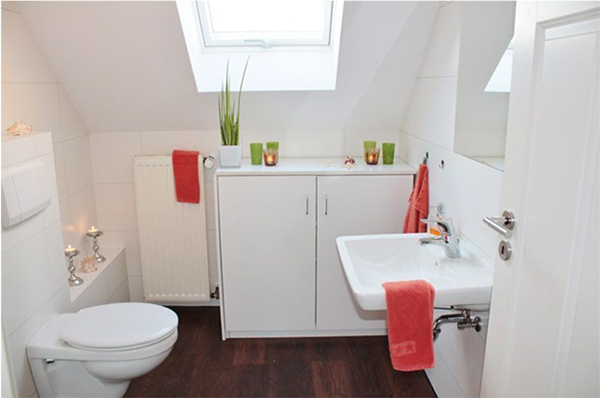
TFS can resolve all of the problems outlined above. All you have to do is insert a flush sheet into the toilet or commode before use. The flush sheet will encompass the waste materials when you flush breaking them down efficiently in the sewer system. The use of TFS can increase the longevity of sewage systems and avoid expensive repairs. They reduce water usage in residents up to 60%. This directly contributes to low maintenance costs and savings on your water bill.
C. Recreational Vehicles
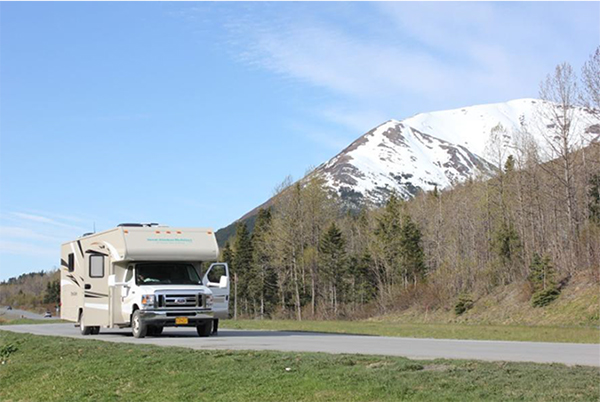
Trackless Flush Sheets can also be used for waste management in recreational vehicles. However, the application of flush sheet products in these vehicles differs significantly from there application in a commercial and residential environment.
A recreational vehicle is mobile, there are no permanent lines attached to a sewage system. Instead, RVs makes use of a closed system for handling waste. It has a holding tank installed that stores waste.
Once the holding tank is full, you must take your RV to a dumping station and pay a fee to empty the tank. In order to maximize savings, an RV owner seeks to reduce the number of tank-dump-stops that are needed during regular use.
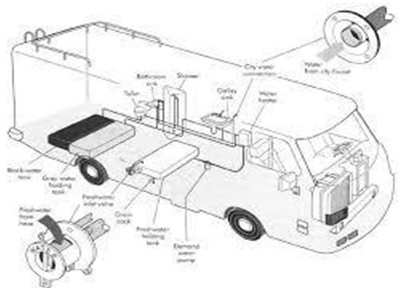
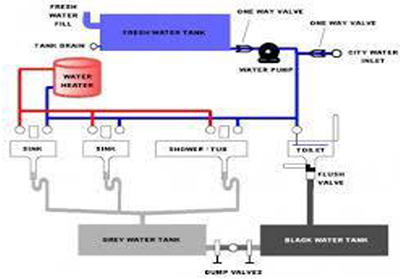
For this to happen, you must try and reduce the rate at which the tank fills up. In spite of its reasonable size, most holding tanks fill up very quickly. There are two main reasons for this:
Using flush sheets can help resolve these problems. When you insert a flush sheet into the commode before use, the flush sheets works to break down the waste materials. You do not need to flush multiple times to get rid of the waste tracks, as well. Instead, a single flush is sufficient.
The RV owner can also feel reassured their holding tank will be treated with the correct amount of enzymes at all times. This can help them avoid problems resulting from overtreatment or undertreatment of the black-water holding tank.
In the end, the use of TFS in a recreational vehicle can help RV owners save money as they will have to make fewer stops to empty the holding tank. It also promotes the overall hygiene of your RV and limits the wasting of water.
B. Commercial
TFS has widespread applications in the commercial environment. These are essentially similar to the use of flush sheets in the residential environment. Commercial property owners can reap the following benefits if they use this product:
The commercial applications of TFS include:
All of these facilities rely on janitorial and housekeeping staff for ensuring an adequate level of sanitation in bathrooms. On average, commercial restroom cleaning and sanitation services can cost you $50 to $60 per hour. Depending on the size of the facility, monthly cleaning service costs can skyrocket. These facilities are easily prone to highly unsanitary conditions as well. This is a natural side-effect that results from frequent use by various members of the public. Safe to say, the size and popularity of a facility are directly proportional to the cleaning and repair costs generated. Employing housekeeping and janitorial staff for regular maintenance of public restrooms also translates into reduced efficiency. This is because you must dedicate a specific amount of manpower to these tasks, which can prevent you from focusing on other critical aspects of maintenance.

Water waste is a common problem, as well. Some of the most common sources of water waste include:
If there is no toilet brush available, you may also be compelled to use extra toilet paper. All of these factors lead to high water bills. Excessive waste of water is also detrimental to the environment.
You can use TFS as an alternative to help resolve these problems. It is effective, inexpensive, and requires no prior training before use. You can reduce water waste, avoid expensive maintenance costs, and improve the efficiency and effectiveness of your janitorial staff.
The nature of flush sheets, if used regularly, pays for itself. Besides lowering your monthly maintenance costs, you can also extend the life of your toilets and sewer systems.
VII.Conclusion:
Trackless Flush Sheets have widespread applications that can benefit every individual on the planet. This solution can be introduced in residential, commercial, and recreational facilities (essentially anywhere that has a toilet or a commode). Given its global scope, the scalability of TFS is exponential.
The use of TFS can help save time, water, and money. Besides reducing maintenance and cleaning costs, the most significant use of TFS is that it helps reduce the damage caused by flushable paper products. Currently, these products make up a billion-dollar industry. The use of these products in households and commercial buildings has had devastating consequences. They are responsible for causing a significant amount of damage to sewage lines and waste treatment facilities. Companies that manufacture these products have been subject to multiple lawsuits filed by civilians as well as government bodies.
TFS offers a working solution to this problem. It is also environment-friendly and cost-effective. Each purchase of TFS will pay for itself by helping you save money that is spent on conventional cleaning methods & products.
With increased awareness and market penetration, we can expect TFS to become a staple product that is sold around the world. If implemented worldwide, TFS stands to deliver benefits at the macro as well as micro levels. Investing in this product will mean investment in water conservation, better hygiene practices, and protection of the environment. It will also help contribute to the efficiency of waste treatment plants and increase the longevity of plumbing infrastructure.
VIII. Sources:
Elsherif, Heba. “Class Action Lawsuit Investigation Initiated Over Charmin Freshmates Flushable Wipes. ”Top Class Actions, 7 May 2018, topclassactions.com/lawsuit-settlements/lawsuit-news/842603-classaction-lawsuit-investigation-initiated-over-charmin-freshmates-flushable-wipes/.
Kessler, Matt. “Are Wet Wipes Wrecking the World’s Sewers?” The Atlantic, Atlantic Media Company, 8 May 2017, www.theatlantic.com/science/archive/2016/10/are-wet-wipes-wrecking-the-worldssewers/504098/.
Milano, Ashley. “Wal-Mart Hit With Flushable Wipes Lawsuit By NH Couple.” Top Class Actions, 24 Aug. 2019, topclassactions.com/lawsuit-settlements/lawsuit-news/109526-wad-mart-hit-with-flushablewipes-lawsuit-by-nh-couple/.
“Personal Care Wipes Market Size, Share Industry Report, 2019-2025.” Personal Care Wipes Market Size, Share | Industry Report, 2019-2025, www.grandviewresearch.com/industry-analysis/personalwipes-market.
“United States Population (LIVE).” Worldometers, www.worldometers.info/world-population/uspopulation/#targetText=United%20States%20Population%20(LIVE)&targetText=the%20United%20States%202019%20population,(and%20dependencies)%20by%20population.
“US Average Household Size.” ArcGIS, www.arcgis.com/home/item.html?id=db2ab608ba0a473d9731d87fa215cb8b#targetText=The%20average%20household%20size%20for,is%202.6%20people%20per%20household.
How Much Does a Commercial Restroom Cleaning and Sanitation Service Cost?, https://www.cleanermatch.com/commercial/cost-of-commercial-restroom-sanitation.html
What is Stellar Blockchain?, https://blockgeeks.com/guides/what-is-stellar-blockchain/
Nature Communications volume 10, Article number: 1717 (2019)